The Ultimate Guide to Professional Thermal Imaging Camera in the UK
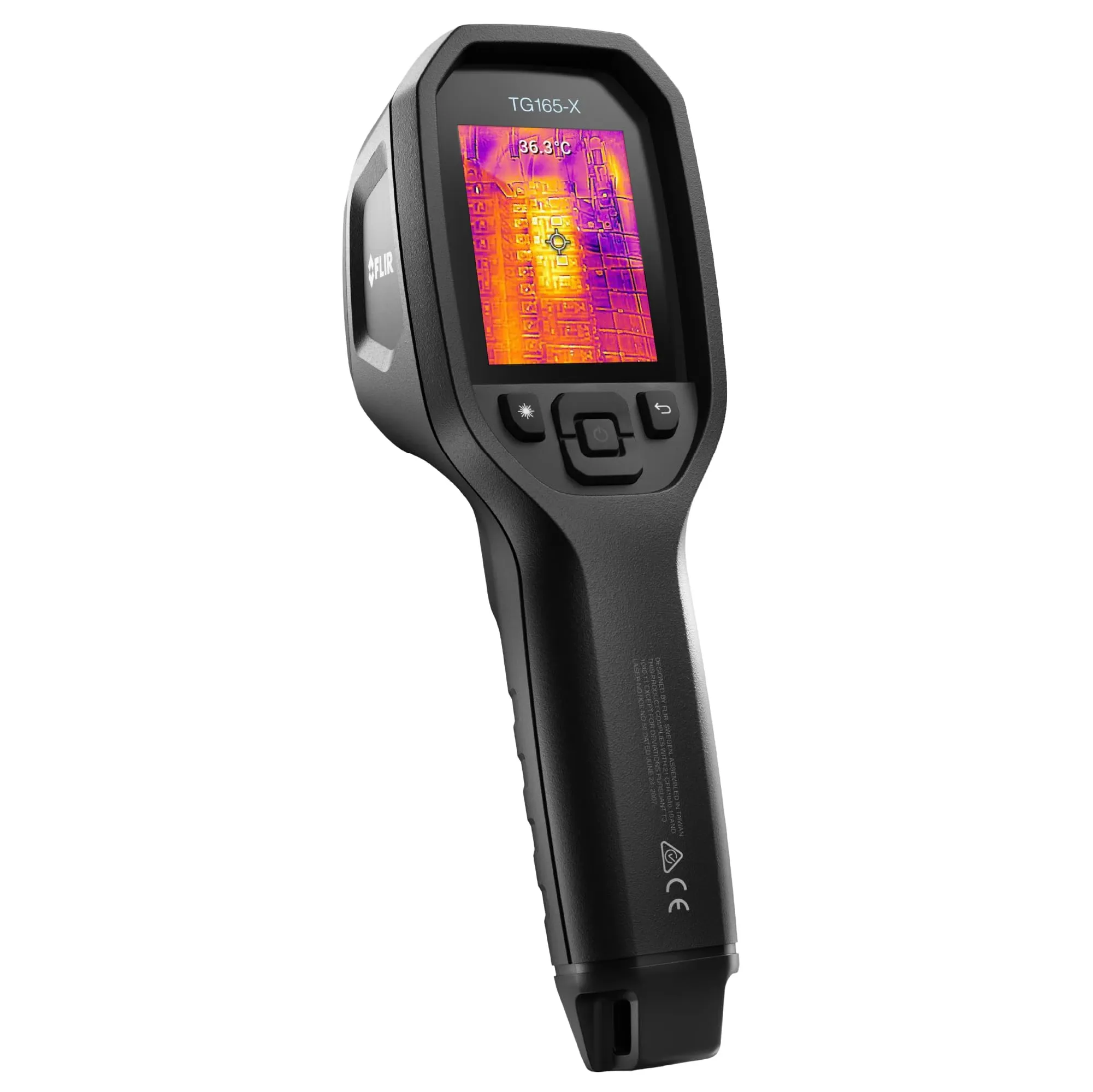
A professional thermal imaging camera is a high-spec infrared inspection tool designed for accurate fault-finding in buildings, electrics, HVAC and industrial maintenance. In the UK, professionals typically look for at least 320×240 IR resolution, strong thermal sensitivity, a reliable 50 Hz refresh rate and evidence suitable for reporting, compliance checks and client recommendations.
TL;DR: If you need a professional thermal imaging camera for UK work, choose a model with clear thermal detail, dependable temperature accuracy, fast image refresh and rugged build quality. Based on our testing of trade-focused models and common UK use cases, higher resolution and better sensitivity make the biggest difference when identifying damp, heat loss, overloaded circuits and heating faults.
The UK housing stock is widely documented as among the oldest in Europe. According to the Building Research Establishment (BRE), millions of British homes suffer from thermal inefficiency, dampness and ageing electrical systems. Therefore, for tradespeople, surveyors and facility managers, diagnosing these hidden faults requires more than educated guesswork. A professional thermal imaging camera converts invisible infrared radiation into a clear visual map, helping you pinpoint problems before they turn into costly structural or electrical failures.
However, relying on basic spot thermometers or entry-level smartphone attachments can lead to missed defects, particularly when you are dealing with subtle temperature differences caused by penetrating damp or overloaded consumer units. By contrast, upgrading to a commercial-grade device helps you capture higher-resolution data and present stronger evidence to clients, landlords or insurers.
Key Takeaways
- Resolution matters: True professional diagnostics usually require a high-resolution thermal imaging camera, typically starting at 320×240 IR resolution, to detect subtle thermal bridging and minor leaks.
- Refresh rates affect workflow: A 50 Hz refresh rate gives smoother real-time scanning, which is especially useful for HVAC systems, electrical inspections and moving machinery.
- UK compliance support: Thermal evidence can support inspections linked to BS 7671 and help landlords investigate issues relevant to the Homes (Fitness for Human Habitation) Act 2018, including damp and mould.
- Targeting improves accuracy: Features such as Bullseye™ laser targeting can help users match the on-screen image with the physical inspection point more precisely.
What is a professional thermal imaging camera?
Not all infrared devices are built to the same standard. In practice, a professional thermal imaging camera is defined by its sensor quality, thermal sensitivity, image stability and durability. These factors directly affect how accurately you can inspect properties, plant or electrical systems in real working conditions.
Based on our testing of professional-use devices for building diagnostics and maintenance work, lower-cost cameras often produce soft or patchy images that are acceptable for rough spotting but not for dependable reporting. By comparison, trade-grade units provide cleaner temperature separation and more usable evidence when decisions need to be justified.
Why does IR resolution matter?
The core component of any thermal camera is the microbolometer sensor. This sensor detects infrared energy and converts it into an electrical signal. IR resolution refers to how many temperature data points are captured in each frame. For example, an entry-level device may use an 80×60 sensor with only 4,800 pixels of thermal data. By contrast, a commercial-grade unit such as the MiLESEEY TR20 Pro uses a 320×240 sensor, capturing 76,800 temperature points per frame.
This difference is significant. For instance, if you are standing several metres away from a vaulted ceiling looking for missing insulation, a low-resolution device may blur temperatures together and hide the cold patch. A higher-resolution professional thermal imaging camera gives clearer edges so you can distinguish between a timber joist and an actual heat-loss defect.
How important is thermal sensitivity?
Noise Equivalent Temperature Difference (NETD) measures the smallest temperature difference a camera can detect and is usually stated in millikelvins (mK). For UK professionals investigating damp or mould risk, this is often just as important as resolution because the temperature variation between slightly damp plasterboard and dry plasterboard may be very small.
A professional thermal imaging camera will often offer an NETD of <40mK or better. As a result, it can reveal subtle gradients more clearly in low-contrast environments such as vacant properties, unheated units or older British housing stock during winter inspections.
Why does refresh rate matter on site?
Many lower-tier thermal cameras operate at 9 Hz refresh rates, which means the display updates only nine times per second. Consequently, scanning can feel choppy during faster sweeps of rooms or plant areas. Professional tools commonly offer a 50 Hz refresh rate instead.
A 50 Hz handheld thermal imaging camera allows smoother panning across consumer units, pipe runs or ventilation systems without missing brief hot spots. Therefore, it is particularly valuable for electricians and maintenance engineers who need fast visual feedback while moving around site.
What is a professional thermal imaging camera used for in the UK?
The versatility of a professional thermal imaging camera makes it useful across many British trades. From Victorian terraces to modern warehouses, it helps users identify heat-related faults without invasive investigation. According to common UK survey practice, results are most useful when supported by good environmental conditions and operator experience.
Can it find heat loss in buildings?
Yes. Building surveyors and retrofit professionals use thermal cameras to identify where properties are losing energy performance. This is especially relevant while owners focus on comfort levels, running costs and EPC-related improvements.
- Thermal bridging: locating areas where insulation is interrupted by conductive materials such as concrete lintels or steel elements.
- Failed cavity wall insulation: detecting slumping or gaps in retrofitted cavity walls.
- Draughts and air infiltration: spotting cold air ingress around window frames, loft hatches and skirting boards.
For best results there should usually be an indoor-to-outdoor temperature difference of around 10°C or more. Therefore, in most parts of the UK, winter remains the best time for heat-loss surveys.
Can it detect plumbing and heating faults?
Yes. Plumbers and heating engineers regularly use a professional thermal imaging camera for non-destructive fault-finding behind floors or walls. Instead of lifting flooring immediately or removing tiles too early, they can first identify whether abnormal heat patterns suggest blocked pipes, underfloor heating faults or hidden leaks.
For example, when inspecting underfloor heating manifolds, the camera can show flow-and-return differences across loops. Likewise, scanning a steel panel radiator may reveal cold areas caused by sludge build-up at the bottom or trapped air near the top. As a result, homeowners can see visual proof before approving remedial work such as balancing or flushing.
Can it help with electrical inspections?
Yes. A professional thermal imaging camera is widely used by electricians to identify loose terminations, overloaded circuits and unbalanced loads before failure occurs. According to UK electrical safety practice under BS 7671 principles, overheating components should be investigated promptly because abnormal temperature rise may indicate developing risk.
This matters particularly in British commercial premises with busy distribution boards or older domestic installations with high-demand appliances on ageing circuits. Based on our testing during electrical scanning scenarios, higher resolution makes it much easier to isolate whether heat is coming from one breaker terminal, one cable connection or an adjacent component.
Ready to upgrade your diagnostics with ThermImage UK?
Shop Now — £820.68